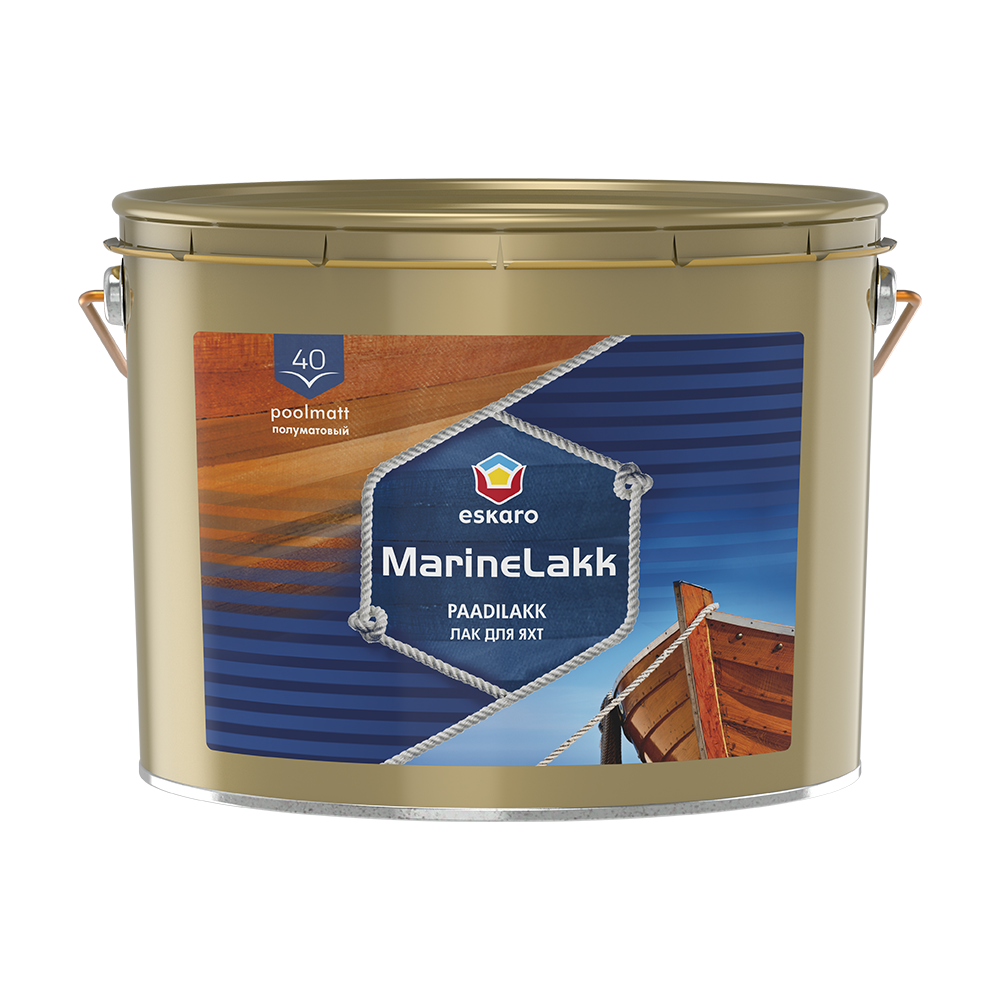
Varnish for wooden boats
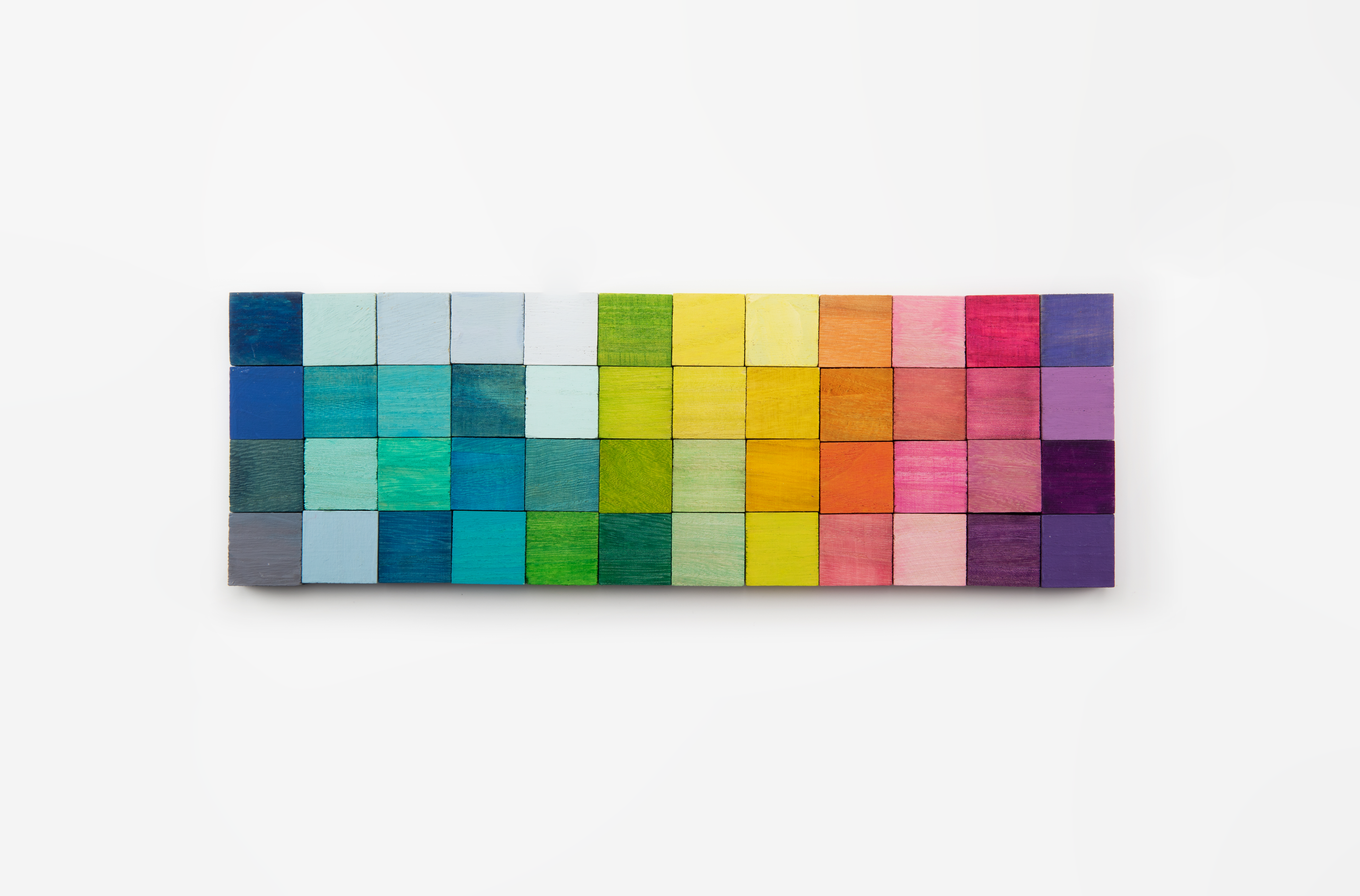
Colour: Colourless
Consumption: 8-12 m²/L
Drying time: Dust-free drying time: 4 hours; dry – 18 hours, at the temperature of +23 °C and the relative humidity of 50% the surface is ready for the application of another coat in 24 hours If the temperature is lower and the humidity is higher, the drying takes longer accordingly.
Volume / weight: 0,45L – 0,95L – 2,4L
Semi-matte urethane alkyd yacht varnish for interior and exterior use.
Maximum permissible EU VOC content for the product (subcat i) 500 g/L. Maximum VOC content in the product <500 g/L
Gloss:
Decorative and protective varnish finishing of indoor and outdoor wooden surfaces. Wooden boats, yachts and motor boats, including decks, cabins etc. Only the above water parts of the boats. Suitable for varnishing window frames, doors, parquet and wooden floors, stairs, furniture and interior elements, garden furniture etc. The varnish is not meant for steam rooms.
New or previously varnished wooden surfaces.
The moisture content of the wood to be varnished must not exceed 20%. Recommended surface and air temperature is between +5…25 °C, recommended varnish temperature is between +18…25 °C, and relative humidity should be between 40…75%. The surface to be varnished must be thoroughly cleaned of old, non-adherent peeling material, wax, silicone, grease, oil, dust, and other contaminants. Previously varnished glossy surfaces should be sanded until matte, and sanding dust must be carefully removed. Varnishing in direct sunlight, in draughts, or at elevated temperatures may cause defects on the treated surface. It is not advisable to varnish in damp or cold weather, and varnishing must be completed before evening dew forms. New dense wood surfaces (oak, beech, etc.) should be cleaned with White Spirit. Rough wood surfaces should be lightly moistened with a water spray, allowed to dry, and then sanded to remove raised wood fibers. Sanding dust must be properly removed. For previously varnished surfaces, compatibility between the old varnish and the new one should be tested on a small area. Previously varnished surfaces must be thoroughly cleaned of peeling varnish, sanded, and sanding dust carefully removed. For heavily soiled surfaces, use EasyClean; for mold removal, use Biotol E (Biotol Spray). After using Biotol, rinse the surfaces with water and allow them to dry. Surfaces previously varnished with water-based varnish must be completely cleaned of the old varnish. Previously varnished surfaces do not require priming. Clean wood surfaces should be primed with a mixture of varnish and White Spirit in a ratio of 5:1. Wood surfaces used outdoors should first be treated with Biostop wood preservative primer and then primed with diluted varnish. Follow the instructions for use of the aforementioned products.
Before application and in the process of working, stir the varnish thoroughly but carefully (to make sure you do not cause air bubbles to form in it). Stirring ensures that the gloss of the varnish coating will be even when it dries.
Apply 2 coats of varnish on the surface along the grain of the wood or in the direction of the light from the window.
The number of varnish coats depends on the porosity of the wood and the instrument you use.
Sand the surface with fine sandpaper (120–150) and remove the dust before applying each following coat on the new surface that has not been previously painted.
Apply finishing varnish on previously varnished surfaces in thin coats without priming. Only apply each following varnish coat after the previous coat has fully dried.
Use tinted varnish for the first coat only. Apply non-tinted varnish as the last coat.
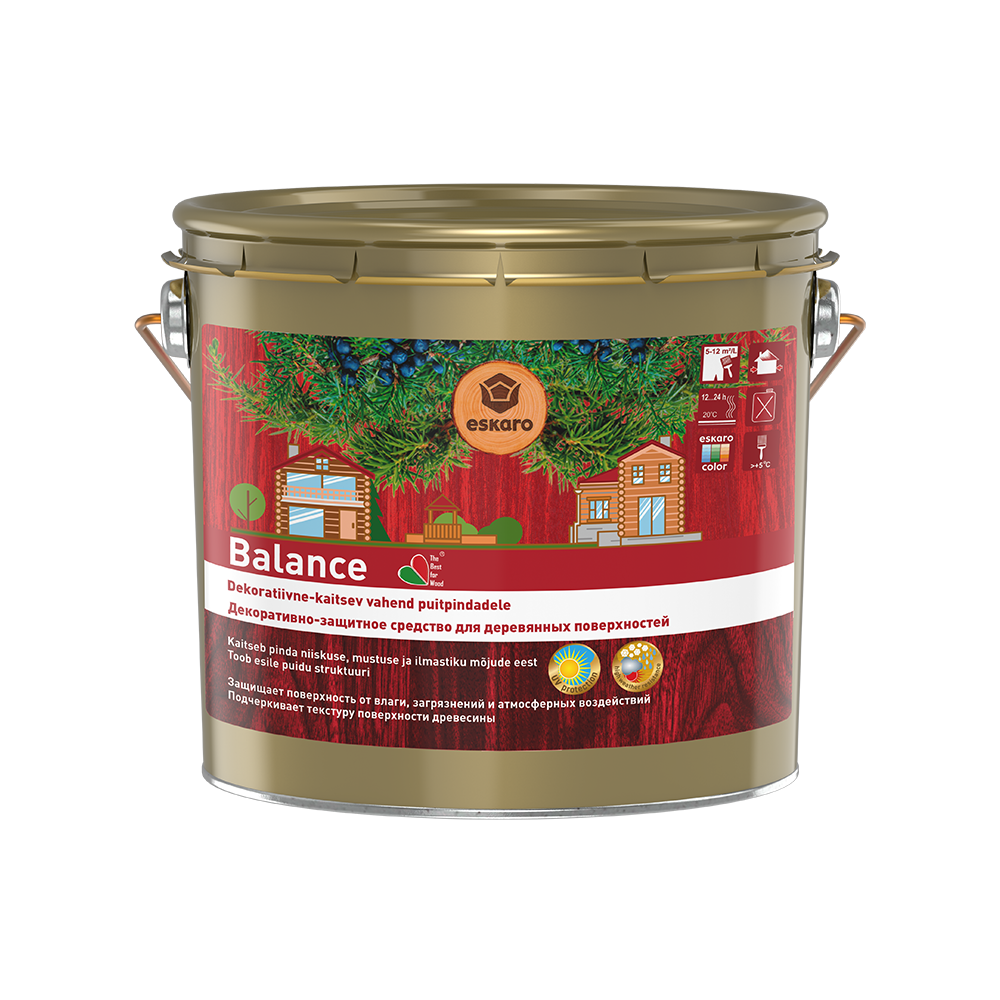
You can use the Balance decorative wood protecting coating (in supplied colours or tinted) as the first coat for tinting.
To check the tint, we recommend making a varnish swatch on a separate board as the final tint of the coating depends on the species of wood (exotic or unknown wood species can change their colour or get stains), the initial hue and the number of varnish coats.
Hardwood species should be used for surfaces exposed to mechanical impacts or requiring high durability. Softwood species (spruce, pine, lime tree etc.) are likely to suffer deformation even after varnishing.
Make sure the working area is well-ventilated, but with no draughts that can cause surface defects. In a dry and hot climate, turn down the ventilation to prevent the paint from drying too fast and avoid lap marks.
Avoid using detergents or vigorously cleaning freshly varnished surfaces because it takes the coating two weeks to reach its peak hardness and durability after the varnish is applied. If necessary, wipe lightly with soft damp cloth during this period. In approximately 2 weeks after varnishing, the dried coating can be cleaned with neutral (рН 6–8) detergents and a soft sponge or cloth. Rinse the surface thoroughly with clean water and dry it after cleaning.
Rinse the surface thoroughly with clean water after cleaning and dry it.
Brush, padded varnish applicator, spray gun with 0.009–0.013” nozzle. When applied with a spray gun, the varnish can be diluted with White Spirit in the amount of up to 10% of the varnish volume. When applied with an applicator, little of the varnish is absorbed by the wood, which results in its lighter colour. The blade of the applicator must be flexible enough to follow the roughness of the floor and sufficiently sharp for the applicator to act as a knife and smooth down protruding wood fibres. The brush used for varnish application must be wide with well-fastened natural or synthetic bristles.
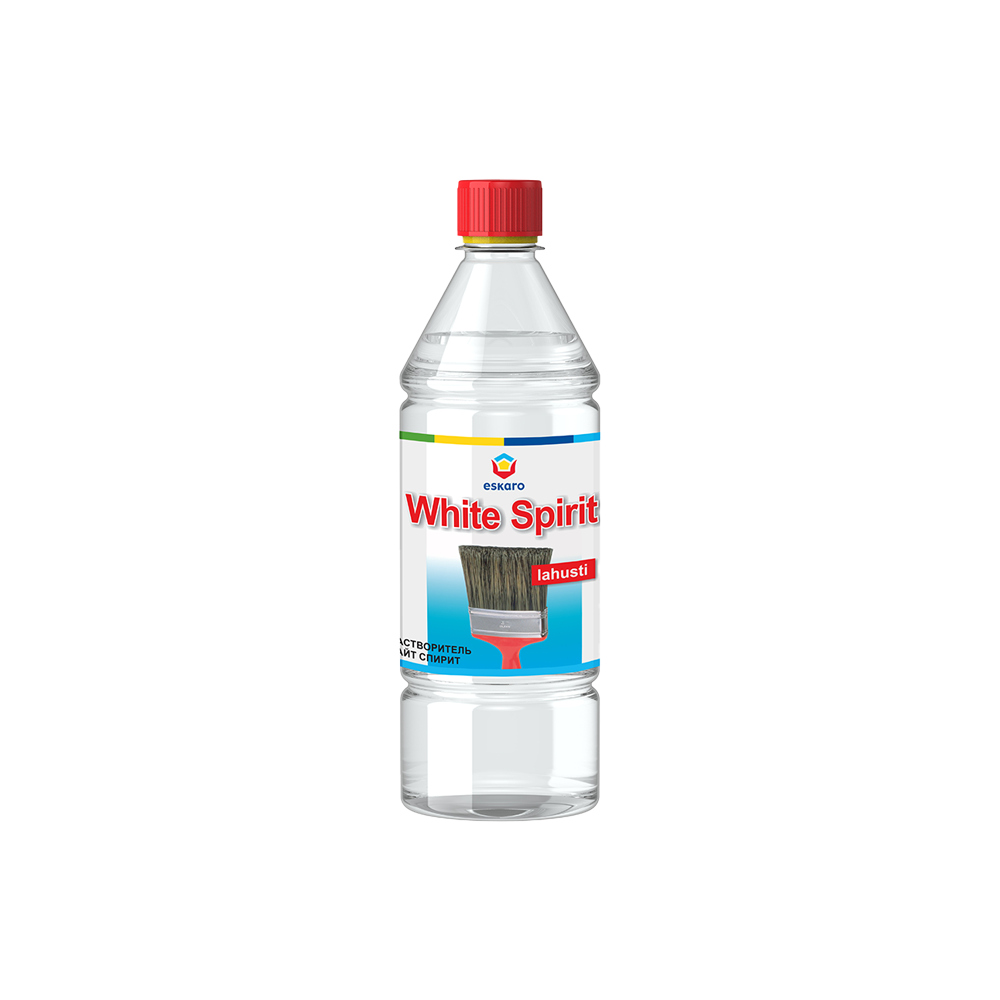
Wash with White-Spirit after completing work.
Store and transport in undamaged containers at the temperature up to +30°C. Store in a well-ventilated place. Keep cool. Keep container tightly closed. Keep away from heat, hot surfaces, sparks, open flames and other ignition sources. No smoking. Store locked up.
The information concerning the product is based on the results of laboratory tests and practical use of the product depending on the location and conditions of its use. As the manufacturer, we guarantee the quality of the product and provide the best recommendations for its appropriate application. As the manufacturer, we cannot control the conditions and circumstances of product transportation, storage and application and numerous other factors that affect its use. Thus, we shall not bear responsibility for the damage caused by ignoring the instructions for use or transportation, by noncompliance with storage conditions and timeframes or by inappropriate application of the product. The manufacturer reserves the right to alter product information at their discretion without prior notice.
Consumption is calculated for 1 layer